Caribbean citizenship by investment and the EU 2028 deadline
How Antigua, Dominica, Grenada and St Kitts citizenship by investment compare in 2026, and what the EU request to phase the programmes out by June 2028 means.
The five Eastern Caribbean citizenship by investment (CBI) programmes have spent two years converging. A memorandum of agreement signed in March 2024 set a common minimum price, and a regional regulator has since been established. In June 2026 the European Commission went further, asking the five states to phase out their programmes by 1 June 2028. As of October 2026 the programmes remain open, but the outlook has changed materially for applicants who value visa-free access to the Schengen area.
This overview is the hub of our Caribbean series. Each programme is examined in its own guide, beginning with St Kitts and Nevis investment options and Antigua and Barbuda fees and family members.
Key takeaways
- Antigua and Barbuda, Dominica, Grenada and St Kitts and Nevis all operate CBI programmes with a regional floor of US$200,000.
- Published minimums in 2026 range from about US$200,000 in Dominica to US$250,000 in St Kitts for the main donation routes.
- The Eastern Caribbean Citizenship by Investment Regulatory Authority (ECCIRA) has been established to supervise standards.
- On 25 June 2026 the European Commission asked the five states to end their programmes by 1 June 2028.
- The OECS is responding collectively, and the final outcome is not yet known.
Current entry points by country
The figures below are the minimum contributions for a single applicant on the main routes, as published by the programme units as of October 2026. Family pricing, due diligence and government fees are additional.
Antigua and Barbuda
The National Development Fund (NDF) contribution is US$230,000 for a family of up to four, according to the Citizenship by Investment Unit. Alternative routes include approved real estate from US$300,000 and a University of the West Indies Fund contribution of US$260,000.
Dominica
The Economic Diversification Fund contribution starts at US$200,000 for a single applicant, according to the Citizenship by Investment Unit of Dominica, with an approved real estate option from US$200,000.
Grenada
The National Transformation Fund contribution is reported at US$235,000, and approved real estate projects at US$270,000 plus a government fee of US$50,000. Grenada is the only one of the four with a US E-2 treaty.
St Kitts and Nevis
The Sustainable Island State Contribution is reported at US$250,000, with approved real estate from US$325,000 and a private home option from US$600,000. St Lucia, the fifth OECS programme, is reported at US$240,000.
The published costs for the other two programmes are covered in our guides to Dominica citizenship costs and process and the Grenada programme review.
For a structured overview of each route, our citizenship by investment page sets out the programmes we support and the stages of an application.
The regional framework and ECCIRA
Under the memorandum of agreement, the five governments agreed a common minimum investment of US$200,000, joint standards on due diligence and information sharing, and a commitment to applicant interviews. The establishment of ECCIRA moves supervision onto a regional footing and is intended to answer international concerns about price competition and vetting.
The checks that every applicant now faces are described in our article on due diligence in Caribbean citizenship.
The European Commission request
On 25 June 2026 the European Commission wrote to the five governments asking them to phase out their CBI programmes by 1 June 2028, referring to the revised EU visa suspension mechanism. The government of Antigua and Barbuda confirmed receipt and said the OECS would respond collectively, and the request has been reported by the Washington Post and regional media.
The request does not, in itself, change the rights of existing citizens, and the visa suspension mechanism requires further EU procedures before any visa requirement could apply. It does, however, introduce a clear political risk for new applicants whose main motivation is Schengen access. Vanuatu’s experience, where the EU ended visa-free travel in December 2024, shows that the mechanism can be used.
What applicants are weighing now
For families considering a Caribbean passport in late 2026, three factors deserve attention.
- The purpose of the second citizenship. Travel flexibility, a plan B residence or access to a US E-2 visa via Grenada may still justify an application even if Schengen access is uncertain.
- Timing. Applications approved before any change would still produce citizenship, but future travel rights cannot be assumed.
- Programme choice. The differences in price between the four programmes are now modest, so due diligence standards, processing times and real estate quality carry more weight.
Our immigration services overview lists the programmes we follow.
If you would like to talk through how these rules might apply to your own circumstances, our team would be glad to help. You can call +357 979 42 388 or write to us through our contact page.
Frequently asked questions
Are the Caribbean programmes closing?
Not as of October 2026. The European Commission has asked for them to be phased out by 1 June 2028, and the governments are responding collectively through the OECS.
Would existing passport holders lose EU visa-free access?
Any visa requirement would apply to the country’s nationals as a whole and would require further EU decisions. No such decision has been taken for these five states as of October 2026.
Which programme is the least expensive?
Dominica’s published single-applicant minimum of US$200,000 is the lowest, matching the regional floor. Family costs and fees vary, so total cost should be compared on a like-for-like basis.
What is ECCIRA?
The Eastern Caribbean Citizenship by Investment Regulatory Authority, a regional body set up to oversee common standards across the five programmes.
Sources
- Citizenship by Investment Unit of Antigua and Barbuda, National Development Fund, as of October 2026.
- Citizenship by Investment Unit of Dominica, Dominica citizenship, as of October 2026.
- Citizenship by Investment Unit of St Kitts and Nevis, Sustainable Island State Contribution, as of October 2026.
- Citizenship by Investment Unit of Antigua and Barbuda, Schedule of fees, as of October 2026.
- Citizenship by Investment Unit of Dominica, How to apply, as of October 2026.
- Investment Migration Agency Grenada, Becoming a citizen and Update to Circular No. 2, as of October 2026.
- Embassy of Antigua and Barbuda, Government responds to EU communication on CBI, 2026.
- The Washington Post, EU tells Caribbean nations to stop selling citizenship, 18 July 2026.
- OECS, OECS sets standards for CBI programmes.
This article is for general information only and does not constitute legal, tax or investment advice. Figures are stated as of 2026 and may change; confirm current requirements with the relevant authority and an independent adviser before acting. AT Express is a private consultancy and is not affiliated with any government or official programme.
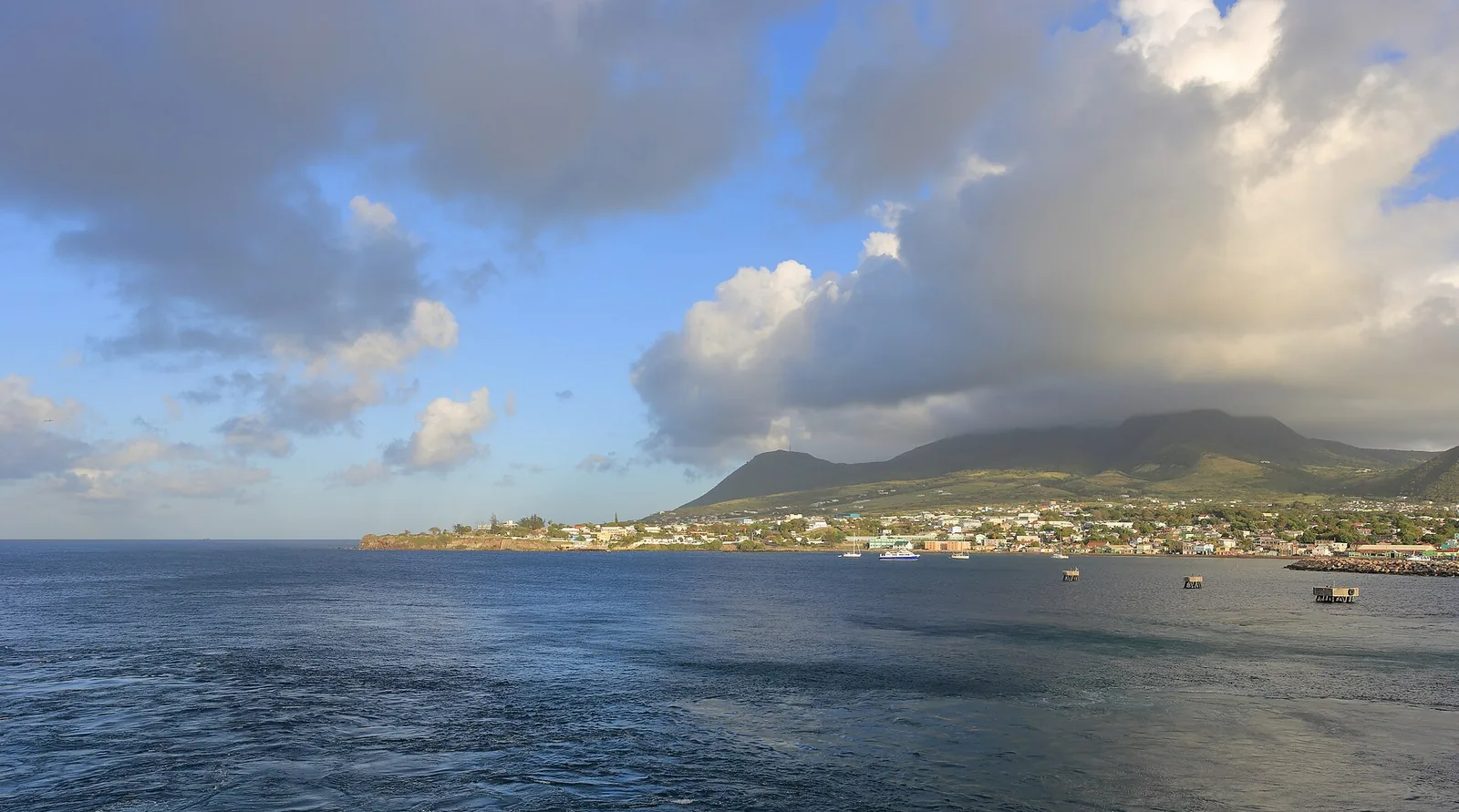
Featured image: “Saint Kitts at Dawn” by Martin Falbisoner, via Wikimedia Commons, CC BY-SA 4.0.
Please note. This article is for general information only and reflects our understanding at the date of publication. Programme rules, thresholds and fees are set by each government and can change at short notice. It is not legal, tax or financial advice; please check the current position with us or the relevant authority before acting.
By the AT Express editorial team · Published 30 October 2026 · Updated 31 October 2026