St Kitts and Nevis citizenship investment options in 2026
St Kitts and Nevis citizenship by investment in 2026: the US$250,000 contribution, real estate routes, due diligence fees, dependants and eligibility rules.
St Kitts and Nevis launched the world’s first citizenship by investment programme in 1984, and it remains one of the most closely watched in the Caribbean. The Citizenship by Investment Unit (CIU) now publishes three main routes: a contribution to the Sustainable Island State Contribution fund, approved developer real estate and private real estate. Each carries its own minimum, holding period and fee schedule, all set out on the CIU website as of October 2026.
The programme sits within a wider regional picture that has shifted since 2024, which we cover in our overview of Caribbean citizenship by investment and the EU deadline. This article focuses on the St Kitts rules themselves.
Key takeaways
- The Sustainable Island State Contribution (SISC) starts at US$250,000 for a main applicant or a family of up to four.
- Approved developer real estate and private condominiums start at US$325,000, and a private single-family home at US$600,000.
- Real estate must generally be held for seven years before it can be resold under the programme.
- Due diligence fees are US$10,000 for the main applicant and US$7,500 for each dependant aged 16 or over.
- The CIU states that decisions are issued within 120 to 180 days of a complete application.
The Sustainable Island State Contribution
The SISC is a non-refundable contribution to a fund that, according to the CIU, supports five pillars of national development. The published minimum is US$250,000 for the main applicant alone or with up to three dependants. Each additional dependant under 18 adds US$25,000, and each additional dependant aged 18 or over adds US$50,000.
The CIU also lists a Public Benefit Option linked to specific approved projects, but most families compare the SISC with the two real estate routes described below.
The real estate routes
The CIU distinguishes between approved developer real estate and private real estate.
Approved developer real estate
An investment of at least US$325,000 in an approved development qualifies, with a holding period of seven years before the unit can be resold to another programme applicant. Government fees are payable on top: US$25,000 for the main applicant, US$15,000 for a spouse, US$10,000 for each dependant under 18 and US$15,000 for each dependant aged 18 or over.
Private real estate
Private property also qualifies at US$325,000 for a condominium unit or share in a designated development, or US$600,000 for a single-family home, again with a seven-year hold. The property must be approved by the CIU, and the same type of post-approval government fees applies.
Real estate can suit families who want an asset in the federation, but the price paid is not the same as market value, and resale after the holding period depends on demand at the time. The comparison of holding periods across the region is set out in our article on Caribbean real estate investment routes.
| Route | Published minimum | Holding period |
|---|
|—|—|—|
| SISC contribution | US$250,000 (up to four people) | Not applicable |
|---|---|---|
| Approved developer real estate | US$325,000 | 7 years |
| Private condominium | US$325,000 | 7 years |
| Private single-family home | US$600,000 | 7 years |
For a structured overview of the route from first documents to certificate of naturalisation, our St Kitts and Nevis citizenship page sets out each stage in turn.
Due diligence and interviews
Every applicant is screened before a decision is made. The CIU lists due diligence fees of US$10,000 for the main applicant and US$7,500 for each dependant aged 16 or over. These are payable alongside the application and are separate from the investment itself.
Each main applicant must attend an interview, conducted either virtually or in person by the CIU or an independent firm it commissions. Interviews form part of the regional standards agreed by the five Eastern Caribbean programmes in 2024. The wider screening process is explained in our guide to due diligence in Caribbean citizenship by investment.
Who is eligible
The main applicant must be at least 18 years old. According to the CIU’s eligibility criteria, an applicant will be refused if they have been denied citizenship by another country, have been denied a visa to a country with which St Kitts and Nevis has visa-free travel and have not later obtained one, have a criminal record or are under criminal investigation, have been declared bankrupt within the past ten years, or are considered likely to bring the federation into disrepute.
The CIU also states that it does not accept applications from nationals of Afghanistan, Belarus, Iran, Iraq, North Korea or Russia, subject to the detailed conditions on its website.
Dependants who can be included
The following family members can be included, according to the CIU:
- a spouse;
- children under 18;
- children aged 18 to 30 who are in full-time education and supported by the main applicant;
- children aged 18 or over with a physical or mental disability;
- parents aged 55 or over who live with and are supported by the main applicant.
Family rules differ noticeably between the Caribbean programmes, which we compare in our article on family members in Caribbean citizenship programmes.
Processing time and outcomes
The CIU states that a complete application will receive a decision within 120 to 180 days. The outcome is one of three: approval in principle, denial, or a delay for cause where further information or checks are needed. On the real estate routes, post-approval government fees fall due after approval in principle, and the certificate of naturalisation is issued once all payments are complete.
Applications are submitted through an authorised agent listed by the CIU. As a sensible precaution, payments should only be made to accounts confirmed in official correspondence.
Points to weigh before applying
A St Kitts and Nevis passport offers visa-free or visa-on-arrival access to many countries, but travel rules are set by the destination states and can change. The European Commission’s request in June 2026 that the Eastern Caribbean programmes be phased out by June 2028 is a factor for families whose main aim is Schengen access. Applicants should also consider tax residence in their home country, since a second citizenship does not by itself change where a person is taxed.
If you would like to compare St Kitts and Nevis with the other programmes we follow, our immigration services overview lists each one.
If you would like to talk through how these rules might apply to your own circumstances, our team would be glad to help. You can call +357 979 42 388 or write to us through our contact page.
Frequently asked questions
What is the minimum investment for St Kitts and Nevis citizenship?
The CIU publishes a minimum of US$250,000 through the Sustainable Island State Contribution for a main applicant or a family of up to four, before due diligence and other fees.
Can I sell the property after receiving citizenship?
Qualifying real estate must generally be held for seven years before it can be resold under the programme, according to the CIU.
Is an interview required?
Yes. Each main applicant must attend an interview, which the CIU states may take place virtually or in person.
Can my parents be included?
Parents aged 55 or over who live with and are supported by the main applicant can be included as dependants, according to the CIU.
Sources
- Citizenship by Investment Unit of St Kitts and Nevis, Sustainable Island State Contribution, as of October 2026.
- Citizenship by Investment Unit of St Kitts and Nevis, Real estate investment, as of October 2026.
- Citizenship by Investment Unit of St Kitts and Nevis, Private real estate investment, as of October 2026.
- Citizenship by Investment Unit of St Kitts and Nevis, Eligibility criteria, as of October 2026.
This article is for general information only and does not constitute legal, tax or investment advice. Figures are stated as of 2026 and may change; confirm current requirements with the relevant authority and an independent adviser before acting. AT Express is a private consultancy and is not affiliated with any government or official programme.
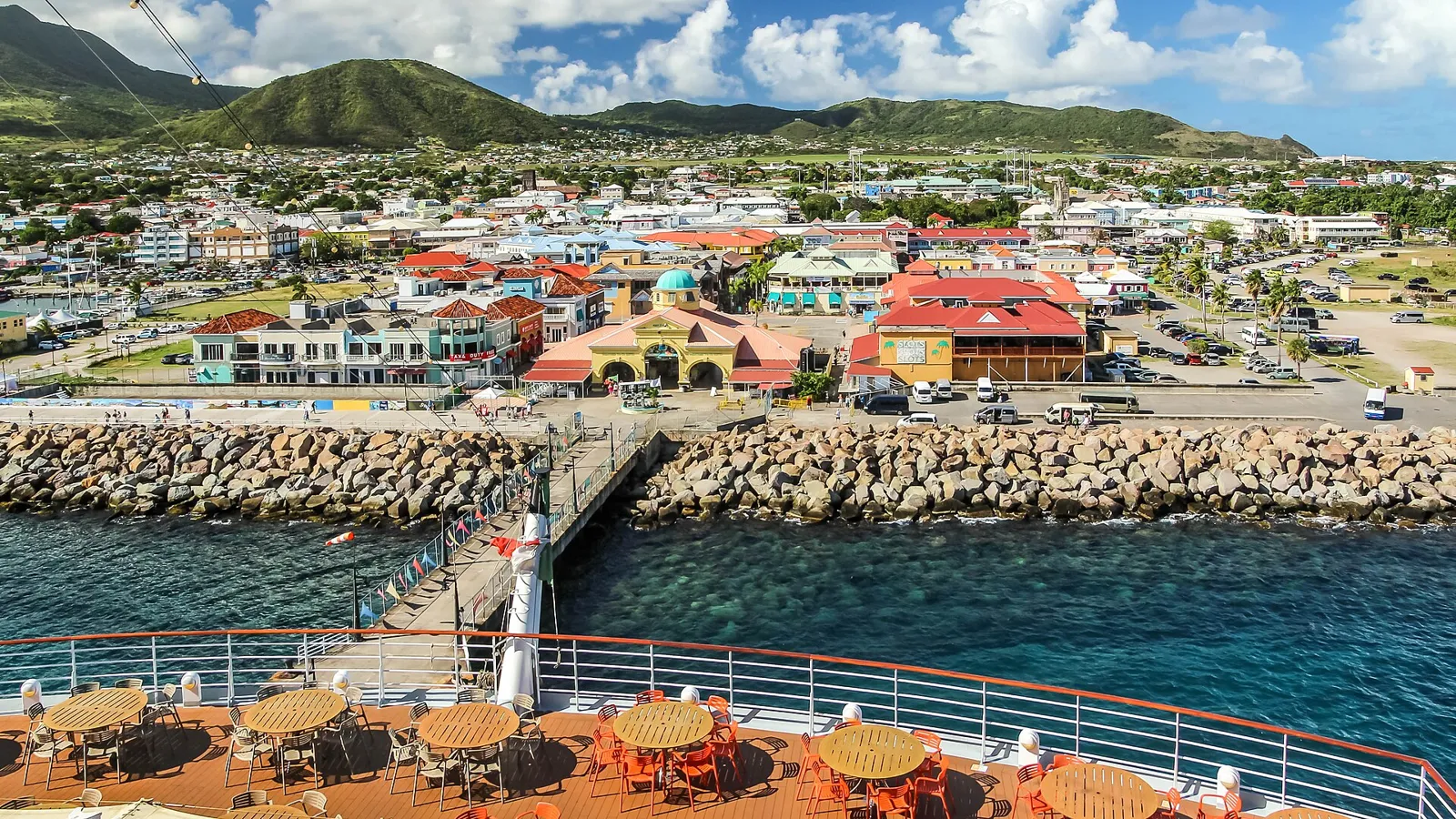
Featured image: “St. Kitts Basseterre Port Zante” by Dr. Thomas Liptak, via Wikimedia Commons, CC BY-SA 4.0.
Please note. This article is for general information only and reflects our understanding at the date of publication. Programme rules, thresholds and fees are set by each government and can change at short notice. It is not legal, tax or financial advice; please check the current position with us or the relevant authority before acting.
By the AT Express editorial team · Published 30 October 2026 · Updated 31 October 2026