Seychelles international business companies explained: structure, territorial tax, economic substance for passive income, annual filings and bank accounts.
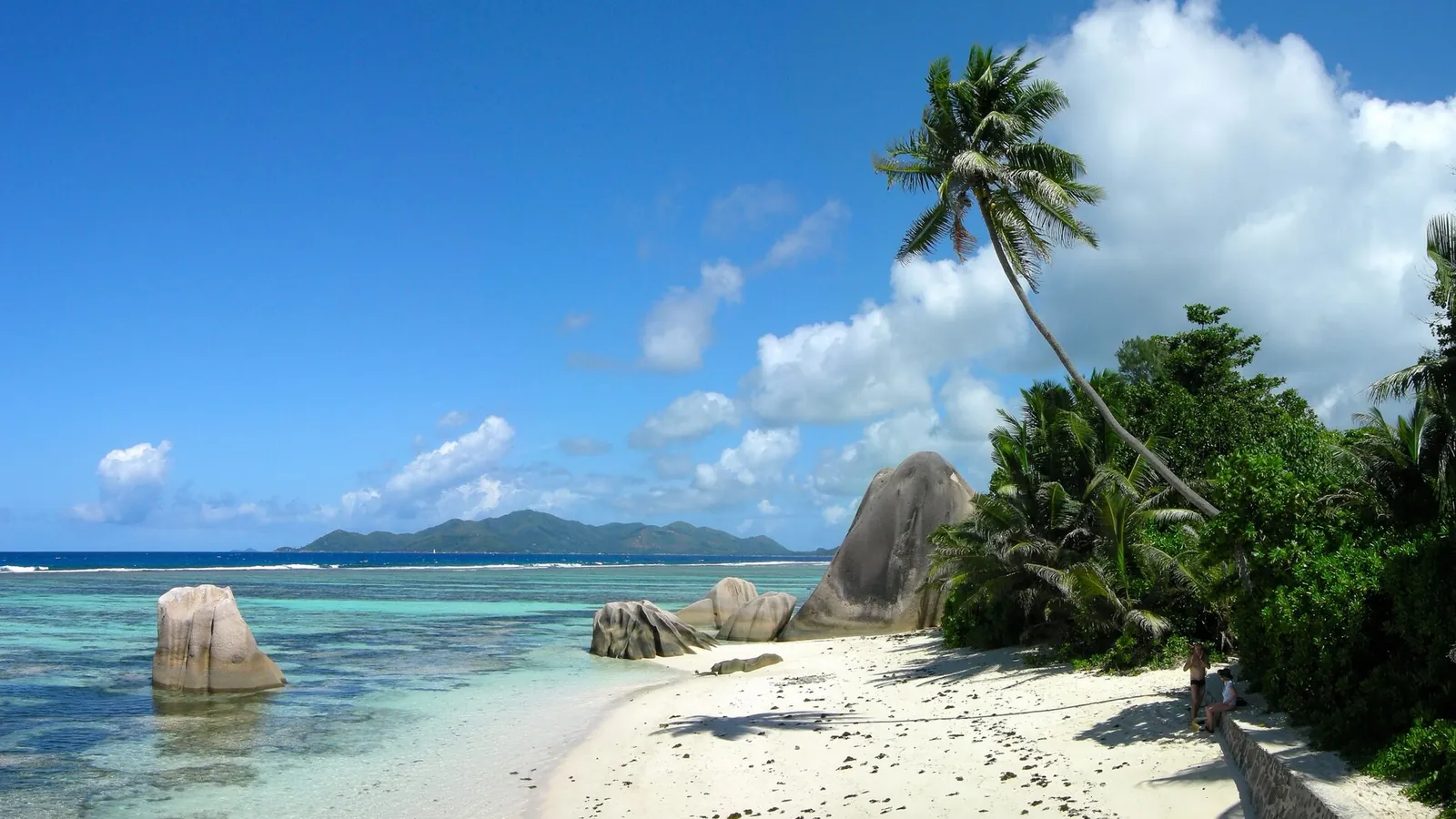
Palm trees and granite rocks at Anse Source d'Argent, La Digue, Seychelles
Seychelles · International business company

Seychelles company formation.

The Seychelles international business company is a compact, cost-conscious vehicle for international trading and holding, formed under the International Business Companies Act, 2016 through a licensed registered agent.

OneMinimum director
TerritorialTax system
31 MarchAnnual tax return
Seven yearsRecord retention
Overview

A practical base for international trade.

Seychelles combines a modern companies statute with a territorial tax system, making it a popular choice for entrepreneurs who need a straightforward international company.

International business companies, or IBCs, are registered with the Financial Services Authority of Seychelles. Every IBC must retain a registered agent licensed in Seychelles, and its registered office is the agent’s address. The jurisdiction has strengthened its framework considerably in recent years, introducing economic substance tests and annual tax filings for IBCs.

AT Express is headquartered in Cyprus, with offices in the United Kingdom, Hong Kong, China, Vietnam and Singapore. We coordinate Seychelles formations with licensed registered agents and advise clients on whether Seychelles, another offshore jurisdiction or an onshore company fits their activity.

Company type

The international business company.

The IBC is a company limited by shares, used mainly for international trading, consultancy, investment holding and the ownership of intellectual property or assets outside Seychelles. Seychelles also offers limited partnerships, foundations and trusts for estate and asset-holding purposes, which require tailored advice.

Key features

What sets Seychelles apart.

  • One director and one shareholder, either of whom may be an individual or a company.
  • Registers of members and directors are kept at the registered office in Seychelles.
  • No local director is required.
  • A territorial tax system, under which tax applies mainly to income sourced in Seychelles.
  • Competitive set-up and annual costs compared with many other international centres.
Private consultation

Considering a Seychelles IBC?

We can explain the annual obligations, the economic substance test and the banking options before you decide.

Tax policy

Territorial tax and substance.

The Seychelles Revenue Commission describes a territorial system. Since 16 September 2021, covered companies, including IBCs, receiving foreign-sourced passive income, such as dividends, interest or royalties, must meet an economic substance test in Seychelles for that income to remain exempt. Income that fails the test, and income sourced in Seychelles, is subject to business tax, which for companies is charged at 15% on the first one million rupees of taxable income and 25% on the remainder.

IBCs register with the Revenue Commission and file an annual tax return, due by 31 March following the year of income, and must keep their records for seven years. Owners remain taxable where they live.

Independent advice. The tax effect of a Seychelles company depends on your residence and on where the business is managed. See our international tax planning page.
Pros and cons

A balanced view.

+

Advantages

  • Modest formation and maintenance costs.
  • Simple corporate structure with a single director and shareholder.
  • Territorial tax system for genuinely foreign-sourced income.
  • Registers are not available for public inspection.
−

Considerations

  • Some banks and counterparties are cautious about Seychelles companies.
  • Annual tax filing and economic substance tests add compliance work.
  • Less suitable where institutional investors or listings are involved.
  • Owners’ home-country rules may attribute the company’s income to them.
Requirements

What you will need.

  • A licensed Seychelles registered agent, whose address serves as the registered office.
  • At least one director and one shareholder.
  • A memorandum and articles of association.
  • Due diligence documents for all directors, shareholders and beneficial owners, typically a certified passport, proof of address and evidence of the source of funds.
  • A description of the business and the countries in which it will operate.
Process and timeline

From first call to certificate.

01

Structure review

We confirm that an IBC suits your activity and tax position.

02

Name and due diligence

The registered agent checks the name and verifies all parties.

03

Incorporation

The agent files the constitution with the Registrar, who issues the certificate.

04

Tax registration

The company registers with the Seychelles Revenue Commission.

05

After formation

Registers, share certificates and banking applications follow.

The overall timetable depends on the registered agent and on how quickly due diligence is completed. We confirm a realistic timetable in our written proposal.

Ongoing compliance

Keeping the company in good standing.

  • Annual licence fee to the Financial Services Authority, paid through the registered agent.
  • Annual tax return to the Seychelles Revenue Commission by 31 March.
  • Accounting records kept for at least seven years, with financial information made available to the registered agent as required.
  • Registers of members, directors and beneficial owners maintained at the registered office.
  • Economic substance for foreign-sourced passive income, where relevant.
Bank accounts

Banking for a Seychelles company.

Seychelles IBCs typically bank in international financial centres or with licensed electronic money institutions. Banks review each application on its merits, and some decline companies from certain jurisdictions as a matter of policy, so approval can never be assured. Preparation matters. See international bank account opening and our guide to banking for an offshore company.

Questions

Frequently asked questions.

Does a Seychelles IBC pay tax?
Seychelles applies a territorial system. Foreign-sourced passive income of an IBC is exempt only if the economic substance test is met; otherwise, and for Seychelles-sourced income, business tax applies at 15% on the first one million rupees and 25% above.
Does an IBC have to file a tax return?
Yes. IBCs register with the Seychelles Revenue Commission and file an annual return by 31 March following the year of income.
Can one person own and run a Seychelles IBC?
Yes. An IBC may have a single shareholder who is also its sole director.
Is the register of shareholders public?
The registers of members and directors are kept at the registered office in Seychelles and are not open to public inspection, although they are available to the competent authorities.
Is a Seychelles company suitable for banking in Europe?
It can be, but some banks are cautious about Seychelles companies. A clear business rationale and complete documents are essential, and a bank in another jurisdiction may be more practical.
Sources

Official sources.

  1. Seychelles Revenue Commission, The Seychelles tax system — territorial basis, economic substance test and business tax rates.
  2. Council of the European Union, EU list of non-cooperative jurisdictions for tax purposes.
  3. OECD, International standards on tax transparency, including the Common Reporting Standard.
  4. Internal Revenue Service, Foreign Account Tax Compliance Act (FATCA).

Hero image: “Anse Source d’Argent 2-La Digue” by Tobias Alt, Tobi 87, licensed under CC BY-SA 4.0.

Please note. This page is a general summary for information only and does not constitute legal, tax or financial advice. Every company formation and bank account is subject to know-your-customer (KYC) and anti-money-laundering (AML) checks by the registered agent, registry and bank, and no outcome or timescale can be promised. Companies may be subject to economic substance rules, and their accounts and owners may be reported to tax authorities under the OECD Common Reporting Standard (CRS) and the US Foreign Account Tax Compliance Act (FATCA). Check whether any jurisdiction involved appears on the EU list of non-cooperative jurisdictions for tax purposes, and take independent tax and legal advice in each country concerned. AT Express works with licensed corporate service providers, lawyers and accountants and is not affiliated with any government, registry or bank. Last reviewed: 30 October 2026.
How we work

Four calm steps.

A simple, transparent process. The scope of our work and our fees are set out in writing before anything begins.

  1. 01

    A first conversation

    We discuss what the company will do, who will own and run it, and where its customers and people are.

  2. 02

    A written proposal

    We compare suitable jurisdictions and set out the documents, timetable and fees, so you can decide calmly.

  3. 03

    Formation and banking

    We coordinate due diligence, incorporation and bank applications with licensed providers in each jurisdiction.

  4. 04

    Ongoing compliance

    We keep track of renewals, filings and reporting each year and remain your single point of contact.

Begin with a conversationConfidential and without obligation
From our insights

Further reading

All insights
Aphrodite's Rock on the coast near Paphos, Cyprus
Let's talk

Begin with a conversation.

Tell us a little about your plans. An adviser will reply personally with an initial view of the options available to you — confidentially and without obligation.

Arrange a consultation

Prefer to talk first? Message us on WhatsApp

  • One dedicated adviser
  • Scope and fees in writing
  • Confidential, without obligation